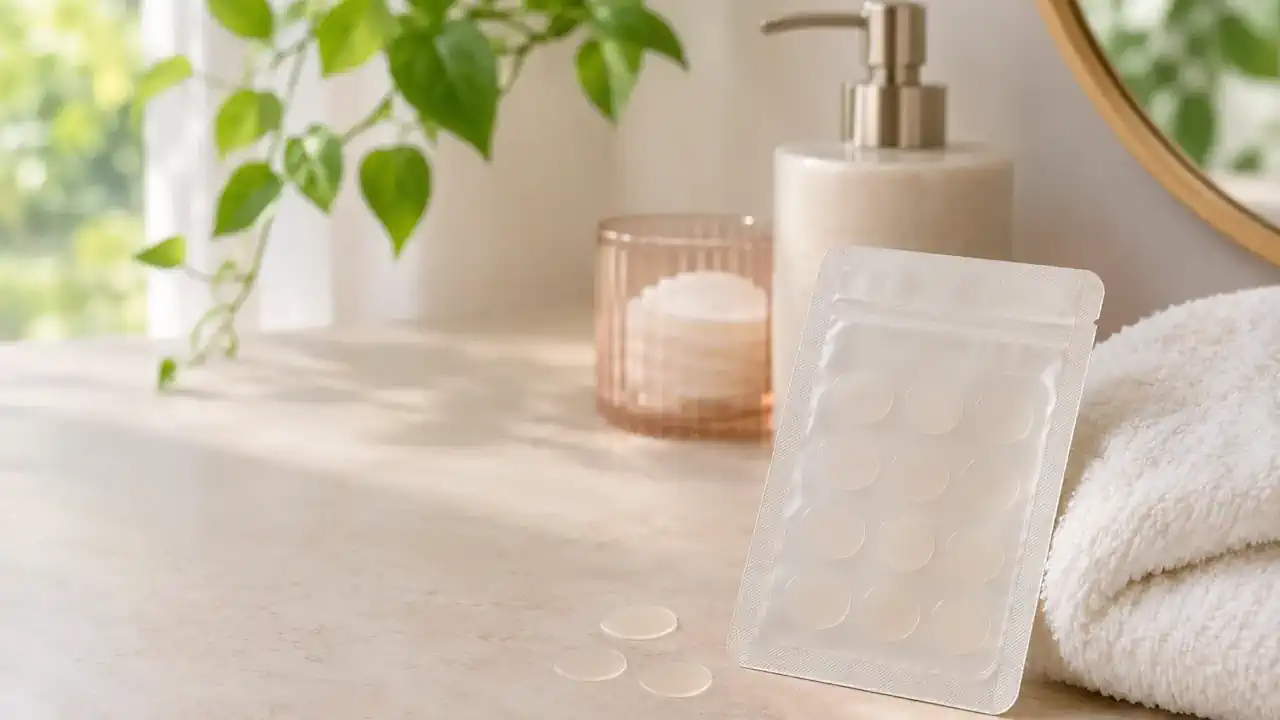
Acne & Facial Care: A Gentle, Practical Guide

A Clear Starting Point for Acne-Prone Skin

Finding a skincare routine that suits blemish-prone skin can take time. This guide covers gentle cleansing, moisturising, spot patches and simple product choices. Introduce products gradually, follow the directions on the packaging and consider advice from a pharmacist or healthcare professional if you have persistent or painful acne.

Four Parts of a Simple Blemish-Prone Skin Routine

Gentle Cleansing

Choose a cleanser that suits your skin and follow its directions. Avoid scrubbing, which can leave skin feeling irritated.

Lightweight Moisturising

Moisturiser can help keep skin comfortable. Look for a formula that suits your skin and check the label for use on blemish-prone skin.

Targeted Spot Patches

Spot patches are designed for use on individual blemishes. Check the product directions, including how long to wear them and when to remove them.

Patient Product Choices

Introduce one new product at a time and give yourself a chance to see how your skin responds. Stop using a product if it causes a concerning reaction.

Gentle Cleansing and Moisturising

A simple routine can begin with a gentle cleanser and a moisturiser that suits your skin. Follow the product directions, use lukewarm water and avoid scrubbing. If a product leaves your skin feeling uncomfortable, stop using it and check the label or seek suitable advice.

A cleanser such as CeraVe Blemish Control Cleanser is one option to explore. For moisturising, compare the Paula’s Choice Oil-Free Face Moisturiser and Neutrogena Ultra Gentle Daily Facial Moisturiser. Check each product’s ingredients and directions to decide whether it suits your needs.
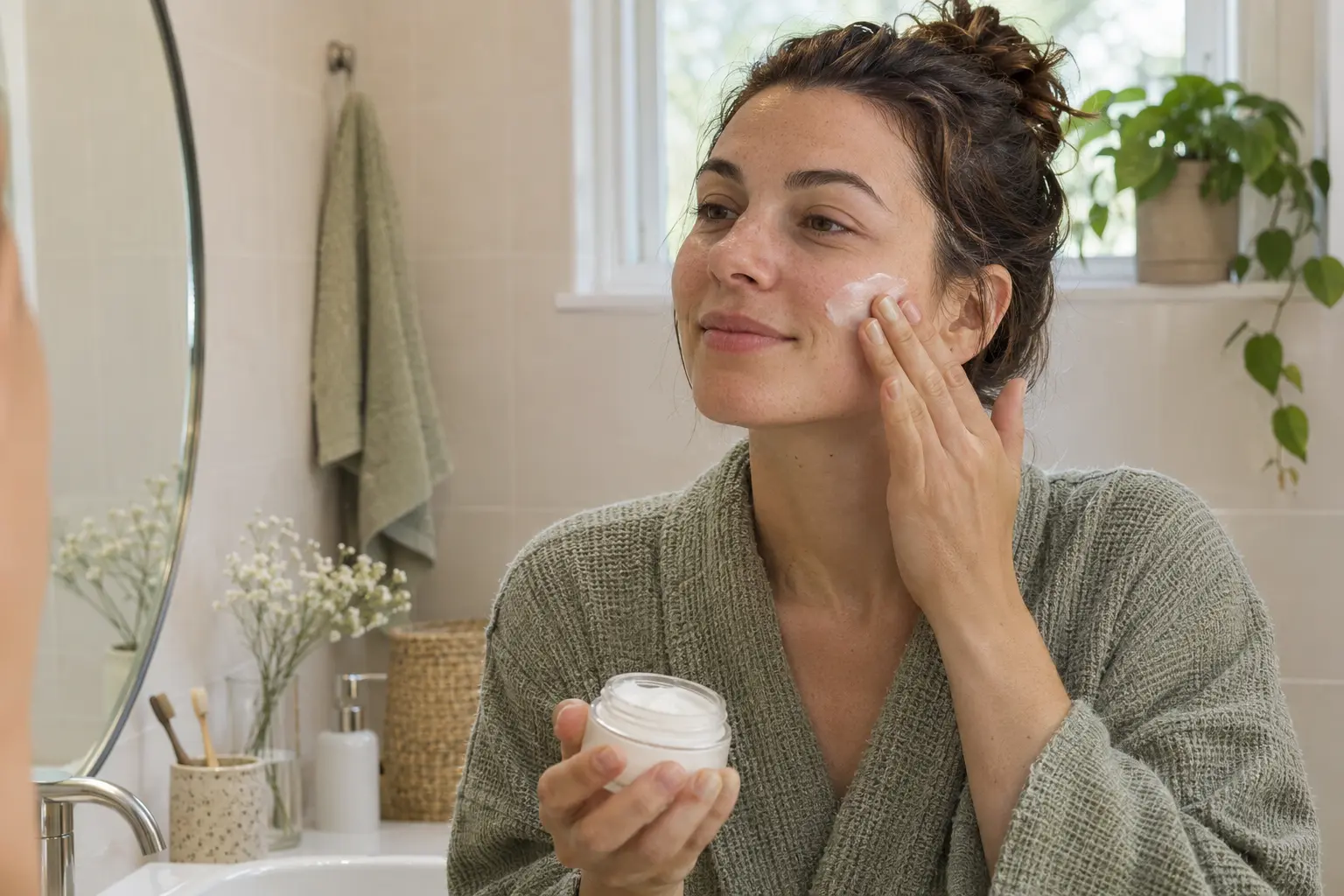
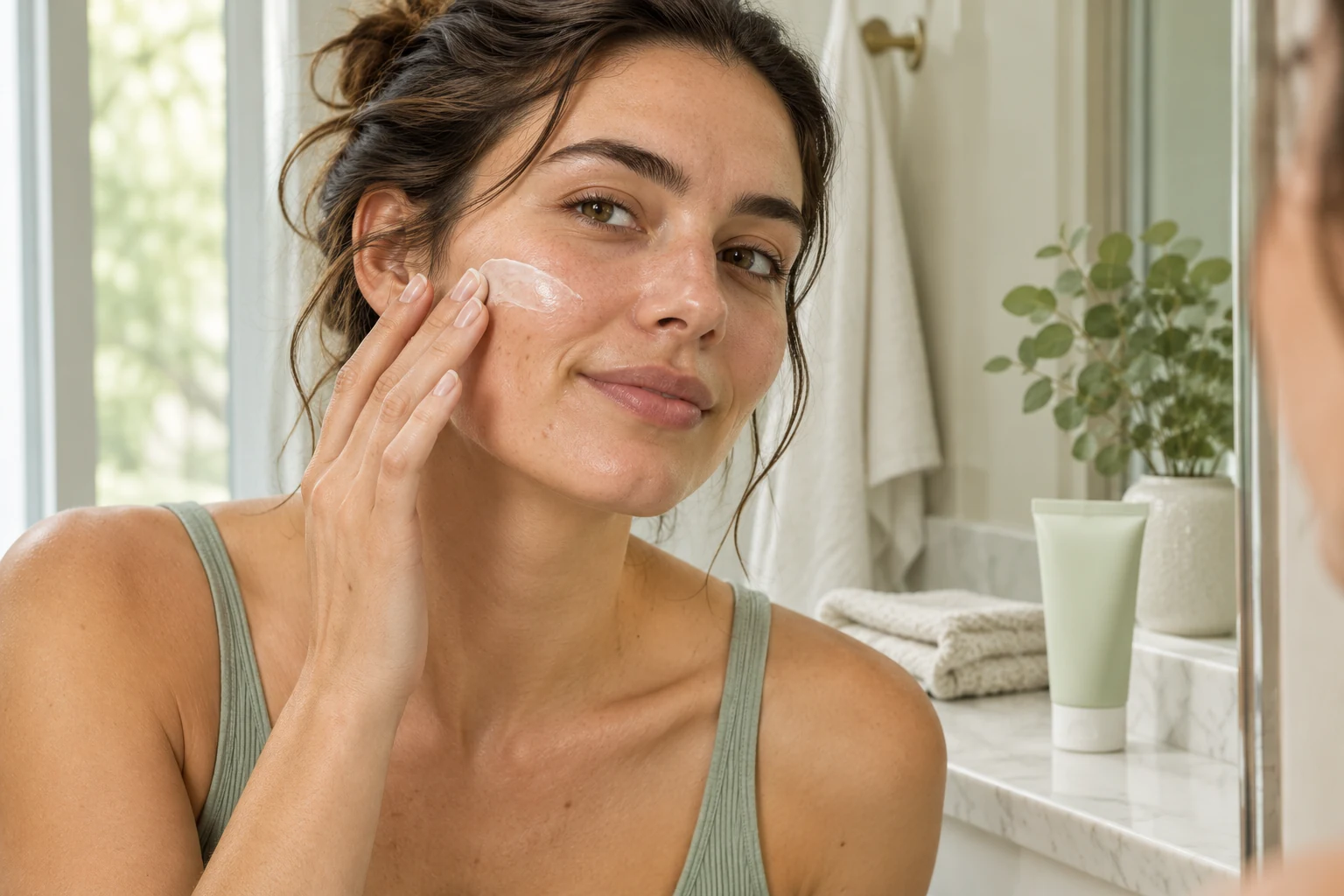
Woman gently applying moisturiser to her cheek as part of a simple skincare routine
Woman gently applying lightweight moisturiser to her cheek

Choosing a Lightweight Moisturiser

A moisturiser can help keep blemish-prone skin comfortable without making your routine feel heavy. Look for a product labelled non-comedogenic if that suits your skin, and check its ingredients and directions before use.

Paula’s Choice Oil-Free Face Moisturiser and Neutrogena Ultra Gentle Daily Facial Moisturiser are two options to compare. Check the product details to make sure each is suitable for your skin and follow the instructions on the packaging. Introduce one new product at a time so you can notice how your skin responds.

Using Spot Patches
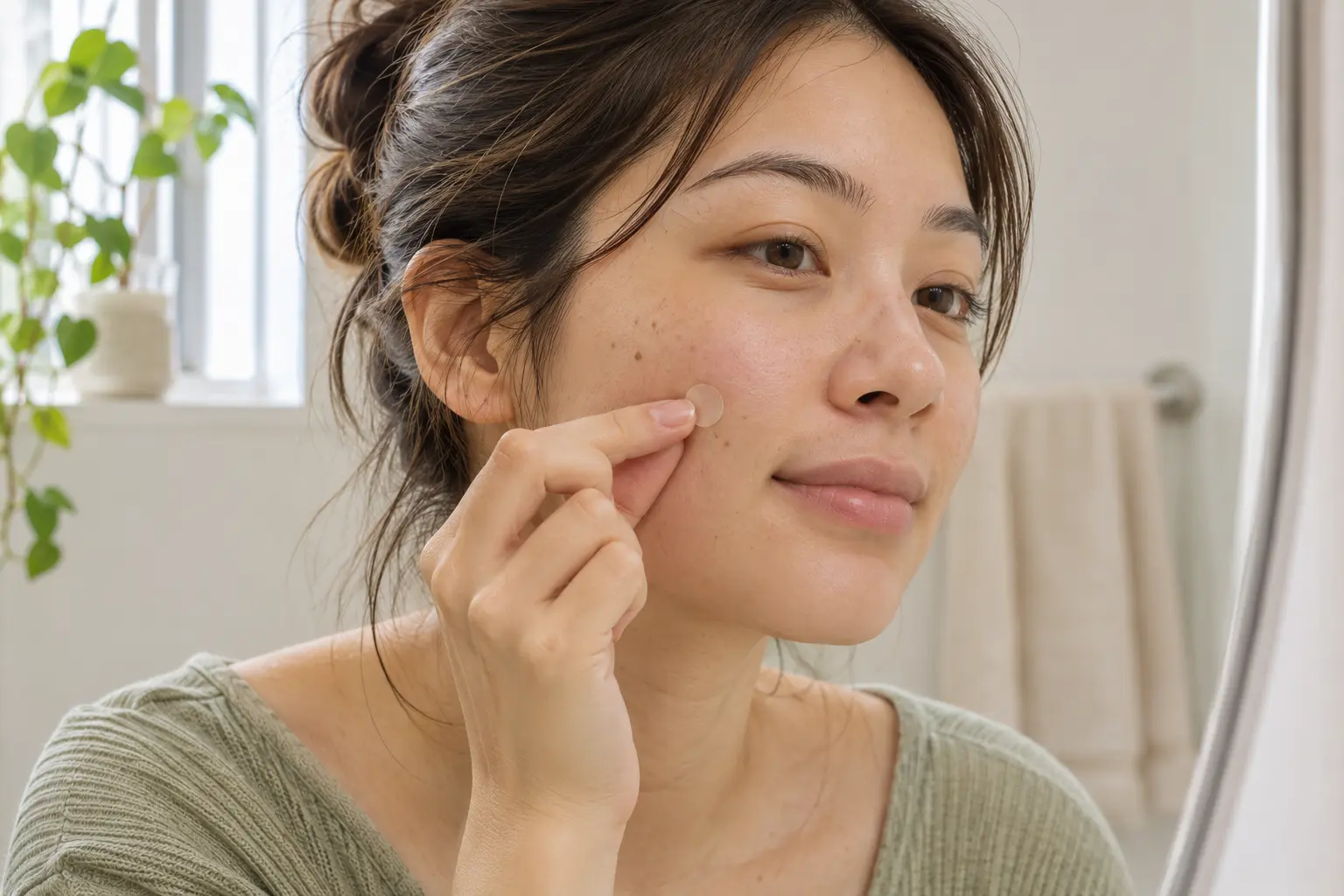
Spot patches are small adhesive coverings designed for use on individual blemishes. Skin Choice Spot Patches are one option to explore. Check the product label for directions, including how to apply and remove the patches. They are not a substitute for advice from a pharmacist or healthcare professional if you have ongoing or painful acne.
Woman gently applying a transparent spot patch to her cheek
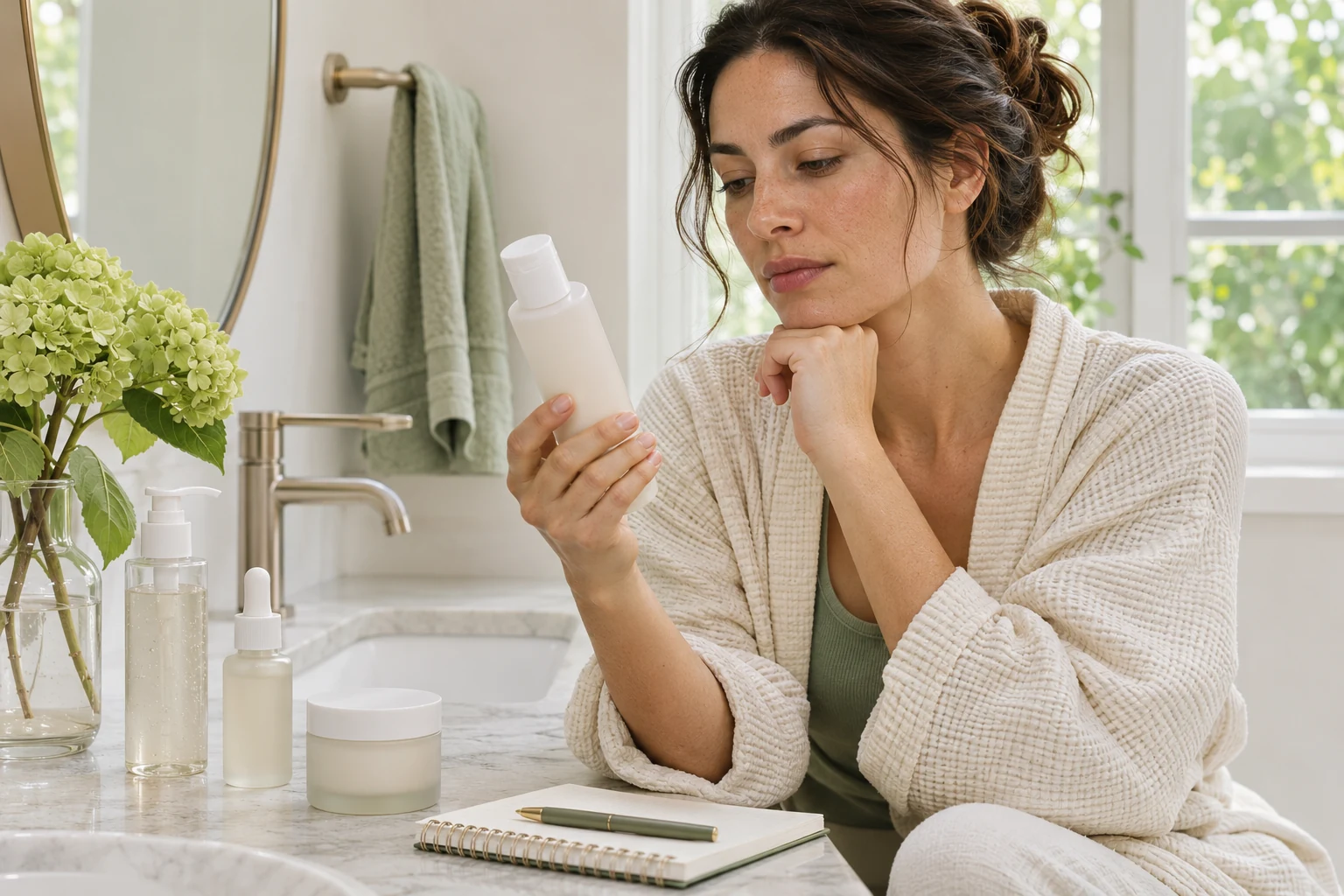
Woman reading a skincare product label before adding it to her routine

Introduce Products One at a Time

When trying a new skincare product, add one at a time and follow the instructions on the packaging. This makes it easier to notice how your skin responds. If a product causes discomfort or a reaction, stop using it and seek advice from a pharmacist or qualified health professional if needed.

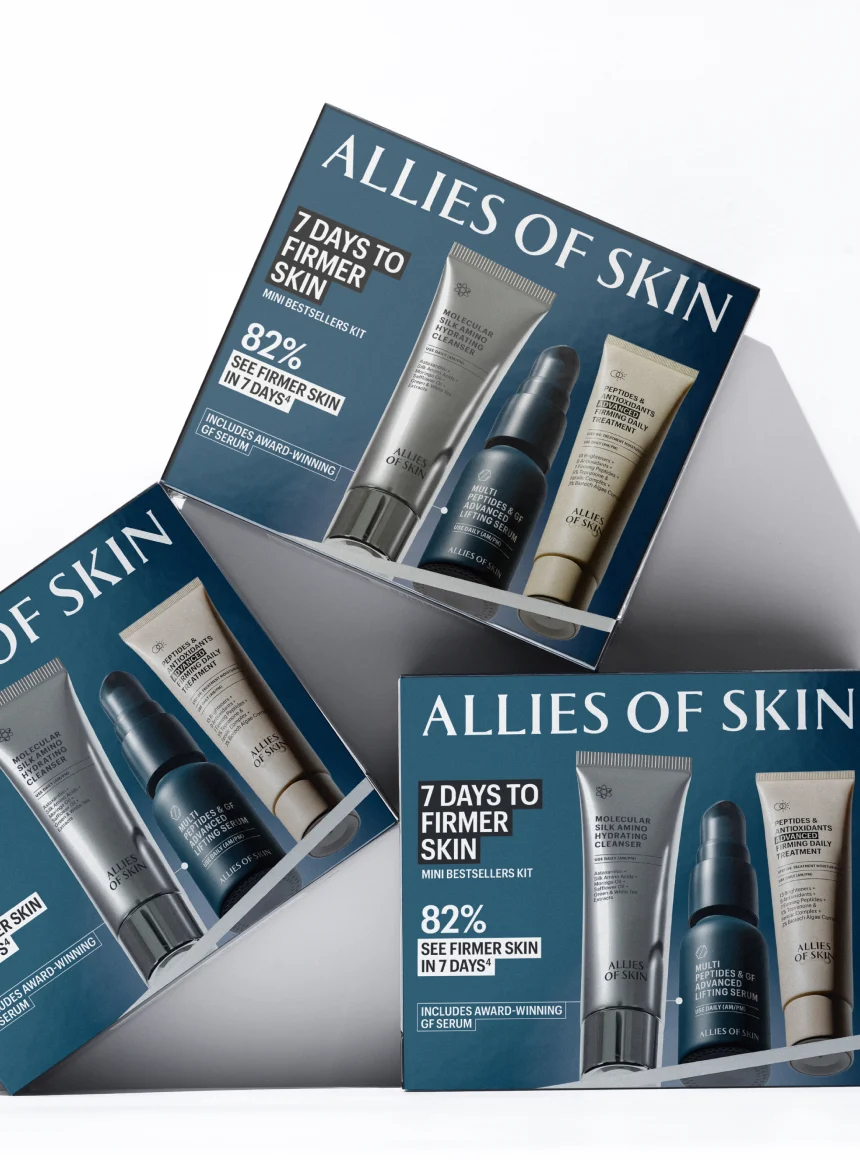
Choose products that suit your skin and routine. A simple gift set, such as the Simple Clean & Fresh Regime Collection, can be one option to explore. Check the product details and ingredients before use.
FAQ

How should I start a skincare routine for blemish-prone skin?
Keep it simple. Choose a gentle cleanser, a moisturiser that suits your skin, and sun protection for daytime. Follow product directions and introduce new products one at a time.
Can I use spot patches on every blemish?
Check the patch packaging for its intended use and instructions. If acne is persistent or painful, ask a pharmacist or qualified health professional for advice.
Should I moisturise if my skin is blemish-prone?
You may still want to moisturise. Choose a product that feels comfortable for your skin and follow its directions.
How do I try a new skincare product?
Introduce one new product at a time and follow the label. Stop using it if it causes a concerning reaction.
When should I seek advice about acne?
Speak with a pharmacist or qualified health professional if acne is persistent, painful, causing concern or not improving.