At-Home Beauty Devices: A Practical Guide
Understanding At-Home Beauty Devices
At-home beauty devices range from simple facial massage tools to electrical products with specific instructions and precautions. This guide introduces several types and examples to research. Check the manufacturer’s guidance, suitability information and usage instructions before choosing or using a device. Results and experiences can vary.
What to Check Before Choosing an LED Mask
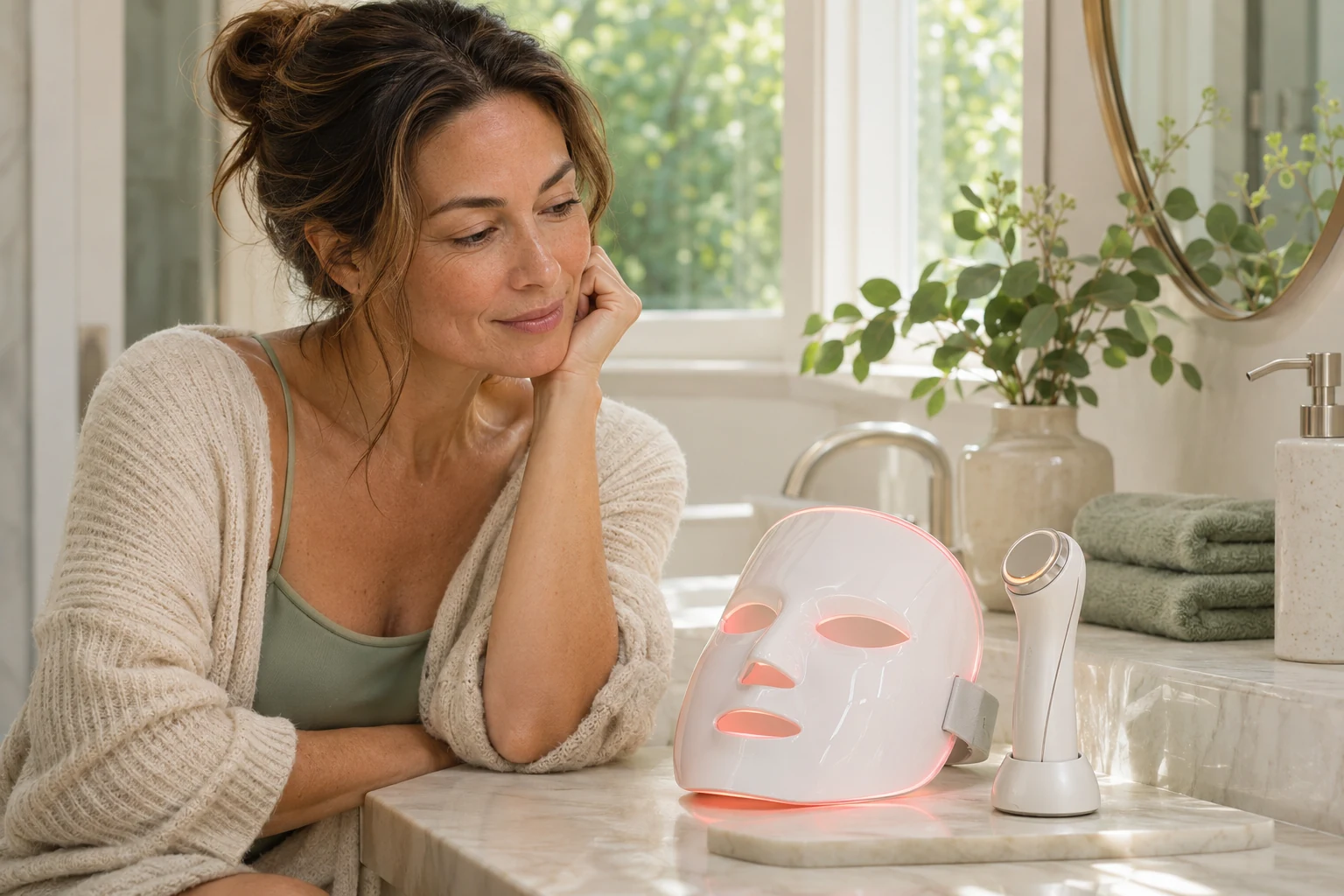
LED masks are designed to deliver light to the skin, but products differ in their features, instructions and suitability guidance. Before choosing one, read the manufacturer’s information, including who should avoid using it, how often it should be used and any eye-safety advice. Follow the device instructions and stop if you experience discomfort.
The Philips ReAura LED Face Mask is one option to research. Check its current product details and manufacturer guidance to decide whether it suits you.
Understanding Microcurrent Facial Devices
Microcurrent devices use low-level electrical currents and come with specific instructions for use. Read the manufacturer’s guidance carefully, including any precautions, recommended products to use with the device and areas to avoid. Check whether it is suitable for you, and ask a health professional if you have concerns before using it.
The FOREO BEAR mini is one device to research. Check the current product details and follow its instructions. Do not use it in a way the manufacturer advises against.

Cleansing Brushes and Facial Massage
Some handheld brushes combine cleansing with facial massage. Check how the manufacturer says to use the device, how to clean and store it, and whether it is suitable for your skin. Use it gently and stop if your skin feels sore or irritated.
The Magnitone London BareFaced 2 Vibra Sonic Face Cleansing and Massaging Brush is one option to compare. Check its current product details and instructions before deciding if it fits your routine.
Using Facial Rollers and Gua Sha Tools
Facial rollers and gua sha tools are used to massage the face. If you try one, use gentle pressure and follow the product’s care instructions. Avoid irritated or broken skin, and stop if the massage feels uncomfortable. These tools are for personal skincare routines; they are not a substitute for medical advice or treatment.
The PLANTIFIQUE Rose Quartz Gua Sha Tool & Face Roller Set is one option to explore. Check the product details and care instructions before use.
Check Before You Use a Beauty Device
At-home devices differ in how they work and how they should be used. Before buying, check the manufacturer’s instructions, suitability advice, cleaning guidance and any precautions. Follow the directions for your specific device, and don’t use it on areas or in ways the manufacturer advises against.
Introduce a device carefully and stop if you experience discomfort or irritation. If you have a skin condition, use medication that may affect your skin, or are unsure whether a device is suitable for you, ask a qualified health professional before use. A device is optional; a simple skincare routine may suit you better.

Keep Your Device Routine Manageable
A beauty device is an optional part of a skincare routine. Choose one that fits your needs and is practical for you to use. Follow its instructions for frequency, cleaning and storage, and avoid combining devices or products in ways the manufacturer advises against. If you have concerns about whether a device is suitable for you, check with a qualified health professional.